Marjolaine Embroidery Font Review
As an embroidery designer with years of experience, I always look for fonts that bring both elegance and versatility to my custom apparel projects. The Marjolaine Embroidery Font caught my attention for its refined aesthetic and potential in a range of boutique applications. Whether you're creating a small sweatshirt collection or designing personalized tote bags, this font offers a unique balance of detail and practicality.
The First Impression: A Graceful Design
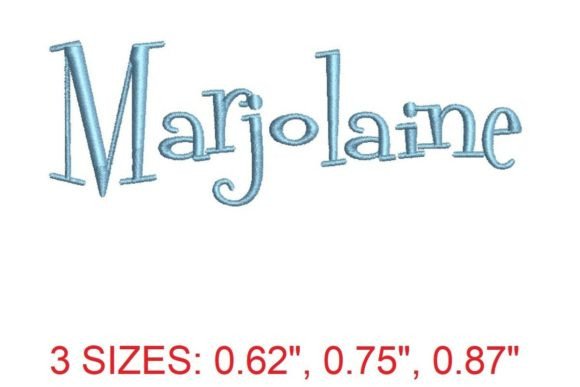
From the moment I viewed the Marjolaine Embroidery Font, I was struck by its visual personality. It carries a soft, feminine charm with intricate detailing that feels both classic and modern. The script-style letters are elegant yet legible, making it ideal for projects that require a touch of sophistication without being overly ornate.
This font has a stitching mood that leans toward the premium side—perfect for handmade products that demand a polished look. Its decorative strength is subtle but effective, allowing it to stand out on neutral or pastel backgrounds without overwhelming the design. Whether used on dark garments or light-colored fabrics, it maintains a level of refinement that elevates the overall appearance of any apparel piece.
Performance on Different Apparel Types
For sweatshirt embroidery, the Marjolaine font works well when placed on the chest or back. Its flowing lines adapt well to curved surfaces, and the detail level is sufficient to maintain clarity even on larger designs. On hoodie chest placement, it adds a refined touch that complements casual wear while still feeling professional.
Sleeve accents and back designs benefit from the font’s ability to scale without losing definition. When applied to t-shirt embroidery, it appears clean and modern, especially when paired with a minimalist layout. For tote bag design, the font provides a stylish yet functional option that can be customized with different thread colors to match branding or seasonal themes.
In boutique merchandise, the Marjolaine Embroidery Font adds a sense of exclusivity. It’s perfect for custom apparel that targets a more upscale audience. Whether used in lifestyle product photos or printable mockups, it enhances the visual appeal of the finished product without requiring complex design work.
Where to Use the Design Carefully
While the Marjolaine font is versatile, there are areas where caution is advised. On small chest placement, the intricate details may become too fine for optimal visibility. In dense stitch areas, it could risk appearing cluttered, so spacing adjustments may be necessary.
When working with stretchy fabric, fleece, or ribbed fabric, it’s important to test the design on similar materials to ensure the stitches hold up. On dark garments, the font remains visible but may require a contrasting thread color for maximum impact.
Curved surfaces and tiny lettering also pose challenges. The font’s delicate nature means it may not perform as well on rounded areas or when scaled down. For areas that may stretch or wrinkle, consider using a stabilizer to maintain the integrity of the design.
Impact on Apparel Value and Brand Identity
The Marjolaine Embroidery Font can significantly enhance the perceived value of your finished product. Its refined look contributes to a more professional presentation, which is essential for Etsy sellers and small shop products aiming to build trust with customers.
Using this font consistently across your custom apparel helps establish a cohesive brand identity. It supports visual consistency and makes your designs more recognizable, which is key for handmade products competing in a crowded market.
For commercial embroidery, the font’s quality ensures that your digital embroidery file translates well into physical items. It’s a strong choice for social media graphics and Etsy listings, where first impressions matter.
Practical Designer Notes
Before finalizing any project, I always recommend testing the Marjolaine Embroidery Font on scrap fabric. This helps assess how the stitch density interacts with different fabric textures. Choosing the right stabilizer is crucial, especially for stretchy or delicate materials.
Reviewing thread color contrast is another step I never skip. The font’s intricacy can be lost if the thread doesn’t stand out enough against the garment. Confirming the hoop size required for your design is also important, as some fonts may need larger hoops for optimal placement.
Lastly, make sure to check the Creative Fabrica embroidery product details and licensing before selling any finished apparel. While the Marjolaine font seems promising, verifying these details ensures you’re compliant and prepared for production.
Final Thoughts
The Marjolaine Embroidery Font is a thoughtful addition to any embroidery designer’s toolkit. Its balance of elegance and functionality makes it suitable for a wide range of apparel projects, from sweatshirt embroidery to denim jacket designs. With careful consideration of placement and fabric type, it can elevate your boutique brand and help create memorable handmade products.