Chopin Script Embroidery Font Review
As a designer with years of experience in machine embroidery, I’ve seen countless fonts and styles come and go. But the Chopin Script Embroidery Font stands out for its elegance and versatility. It’s not just another font—it’s a design that feels intentional, refined, and ready for real-world use.
The First Impression: A Touch of Class
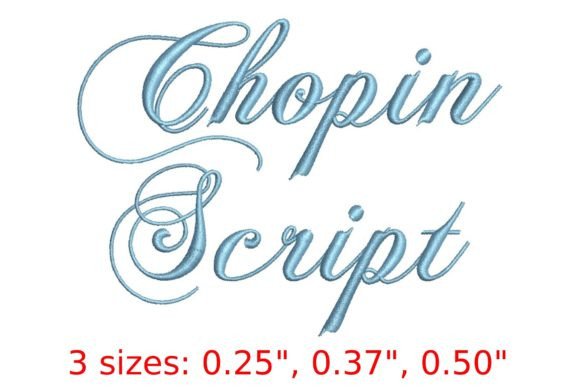
When I first opened the Chopin Script Embroidery Font, I was struck by its soft, flowing lines and the subtle curves that give it a timeless feel. It’s the kind of script that evokes a sense of sophistication, perfect for projects that need a personal touch. The font has a natural rhythm, making it ideal for anything from personalized gifts to boutique merchandise.
Its layout is clean and readable, even at smaller sizes. The detail level is impressive—each letter has enough character to stand out without being overwhelming. This makes it a great choice for custom apparel, baby items, or holiday gifts where visual appeal matters.
Real-World Use: From Tote Bags to Sweatshirts
I tested the Chopin Script Embroidery Font on a few different projects, starting with a tote bag design. The font looked elegant on a cotton canvas, adding a refined look that felt both modern and classic. It also worked well on a sweatshirt, where the script gave the garment a more personalized, handmade feel.
For baby items, the font’s softness made it feel gentle and approachable. It paired well with pastel thread colors, creating a look that’s perfect for nursery decor or personalized onesies. On a patch, the design held up well, with clear stitching and minimal puckering, even on a slightly textured fabric.
One thing I noticed is that the font works best on flat, smooth surfaces. When I tried it on a cap, the curved surface required some careful hoop placement to ensure the letters stayed aligned. That said, with the right stabilizer and proper technique, it still produced a clean result.
Where to Be Careful: Practical Considerations
While the Chopin Script Embroidery Font is beautiful, there are a few situations where it might not perform as well. On small hoop sizes, the font can become cramped, especially if you’re trying to fit a longer phrase. It’s best to check the maximum size your machine can handle before committing to a design.
Thin or stretchy fabrics can be a challenge too. The font’s detail requires a bit of stitch density, which can cause distortion on delicate materials. For these cases, using a good stabilizer and adjusting the tension settings is key. Dark fabrics also require careful thread color selection—light-colored threads may not show up well, so consider using a contrasting color or adding a background fill.
When working with layered garments or curved surfaces, like caps or pillow covers, the font’s flow can sometimes get distorted. It’s worth testing it on a scrap piece first to see how it looks after stitching. Tiny lettering or intricate corners might also need extra attention to ensure clarity.
Impact on Visual Appeal and Customer Perception
The Chopin Script Embroidery Font adds a level of polish that elevates any project. Whether it’s a handmade product for an Etsy shop or a commercial embroidery order, this font helps create a professional look that customers will notice. It’s the kind of detail that makes a finished product feel special, whether it’s a personalized gift or a small business item.
From a branding perspective, the font’s consistency and readability make it a reliable choice. It fits well with both minimalist and decorative designs, offering flexibility for different styles. For craft businesses, this means more options when designing for clients or creating printable mockups.
Customers often respond positively to custom embroidery, and the Chopin Script Font gives them something unique to showcase. It’s a great way to add personality to a product, whether it’s a holiday gift, a birthday present, or a back-to-school item. The font’s elegance makes it easy to justify a higher price point, especially for handmade or personalized products.
Design Notes: What to Check Before Using
Before using the Chopin Script Embroidery Font in a project, I recommend doing a few quick tests. Start by stitching it on scrap fabric to see how the stitches look. Pay attention to the stitch density—too much can cause puckering, while too little might make the letters look weak.
Check the thread color contrast against the fabric. If you’re working with dark material, make sure the thread is visible. Also, test the design in black and white mockups to see how it looks without color. This helps identify any issues with clarity or spacing.
Confirm the hoop size needed for your project. If you’re planning to use it on a larger item, make sure your machine can accommodate the design. Stabilizer is another important factor—especially on stretchy or thin fabrics, where it can prevent distortion and improve stitch quality.
Lastly, review the licensing terms if you plan to sell finished items or digital products. While the Chopin Script Embroidery Font appears to be compatible with popular machines, it’s always wise to double-check the specifics before using it in a commercial setting.
Final Thoughts: A Versatile and Elegant Choice
The Chopin Script Embroidery Font is a solid addition to any designer’s collection. It brings a level of refinement that works across multiple applications, from custom apparel to personalized gifts. Its performance in real-world scenarios is consistent, provided you take the time to test and adjust for fabric type, hoop size, and stitch settings.
Whether you’re an Etsy seller, a small shop owner, or a creative entrepreneur, this font offers practical value and aesthetic appeal. It’s not just about looking good—it’s about delivering a quality product that customers will appreciate and remember.