Auntie Charlotte Font Review
As an embroidery designer with years of experience in craft fairs and handmade markets, I’ve seen countless machine embroidery designs come and go. But the Auntie Charlotte Regular Embroidery Font stands out for its elegance, versatility, and visual appeal. Whether you're creating tote bag design, apron embroidery, or tea towel embroidery, this font has the potential to elevate your craft fair product offerings.
First Impressions of Auntie Charlotte Font
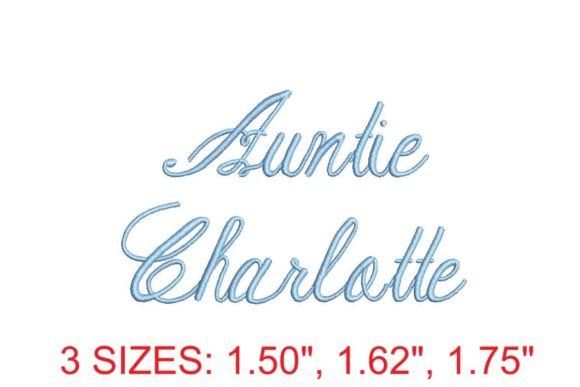
The Auntie Charlotte Font immediately exudes a classic, slightly rustic charm. It feels like a mix between a farmhouse aesthetic and a premium handmade product. The lettering is clean yet distinctive, making it ideal for both subtle accents and bold focal points. This font isn’t just decorative—it’s functional, designed to work across a range of fabric textures and embroidery applications.
Its compatibility with PES files makes it a practical choice for Cricut and embroidery crafters who rely on digital embroidery file formats. For Etsy sellers and small shop product creators, this font offers a reliable way to add consistent brand elements to their embroidery business.
Best Uses for Auntie Charlotte Font
When preparing for a weekend craft fair booth, I always look for designs that stand out at a glance. Auntie Charlotte Font does just that. On tote bags, it adds a touch of sophistication without overwhelming the design. On aprons, it can be used as a central motif or a subtle border, depending on the layout.
Tea towel embroidery with this font feels like a natural fit—perfect for adding a personal touch to kitchen accessories. Similarly, embroidered patches and fabric pouches benefit from its clear, readable form. For caps and market bags, the font holds up well, especially when using the right thread colors and stabilizer.
This font also works well in printable mockups and Etsy listings. Its legibility under different lighting conditions ensures that customers can see the detail even in online photos. For commercial embroidery projects, it’s a safe bet that won’t lose clarity at smaller sizes.
Practical Selling and Production Considerations
One of the key factors in choosing an embroidery file is how easy it is to produce in bulk. Auntie Charlotte Font is straightforward to use, with a balanced stitch density that doesn’t require excessive time or materials. This makes it ideal for batch production, whether you’re making small shop product runs or preparing for a busy weekend craft fair.
However, there are some considerations. If you're working with thick fabric or textured towels, the font may need slight adjustments to ensure it sits properly. Similarly, curved cap surfaces can challenge the font's alignment, so testing on scrap fabric before full production is recommended.
For dark fabrics, using a contrasting thread color will make the design pop. And if you're planning to use this font on small items like patches or pillow covers, keep in mind that tiny details might not translate well. A larger size or simplified version could be more effective in those cases.
Careful-Use Notes for Embroidery Designers
While the Auntie Charlotte Font is visually appealing, it’s important to test it on different fabric types. Dense stitch areas may cause puckering, so using the right stabilizer is crucial. Also, check the hoop size to ensure the entire design fits comfortably without stretching the fabric.
Reviewing spacing and stitch density before finalizing any design is essential. If you’re creating a finished product for sale, confirm the commercial licensing terms to avoid any legal issues. This font is great for digital embroidery file sales, but you’ll want to verify what rights you have before producing for resale.
Impact on Visual Appeal and Customer Engagement
At a craft fair, first impressions matter. The Auntie Charlotte Font draws attention with its elegant yet approachable style. It adds visual appeal to handmade products, helping them stand out among competitors. When displayed on tote bag design or apron embroidery, it signals quality and care, which can increase customer interest and engagement.
For boutique makers and creative entrepreneurs, this font is a valuable design asset. It supports brand consistency across multiple product lines, from embroidered patches to market bags. Its versatility means it can be used in both seasonal and everyday items, making it a smart investment for a wide range of handmade products.
Embroidery Designer Notes for Success
To get the most out of the Auntie Charlotte Font, start by testing it on scrap fabric. This helps you understand how it looks on different textures and with various thread colors. Check the spacing to ensure it’s not too tight or too loose, and confirm the hoop size needed for your project.
Creating at least one real mockup is a must. Seeing the design on actual fabric gives you a better idea of how it will look in person. Compare fabric colors to find the best match for your intended design. And don’t forget to review the commercial licensing terms before selling finished products.
Whether you're an Etsy seller or a craft fair vendor, the Auntie Charlotte Font is a reliable choice that balances style and functionality. With careful use and proper preparation, it can become a staple in your embroidery business, helping you create beautiful, sellable handmade products.